

 Course Catalog
 Laura Artman
Strength Training: 3 Proven Steps to Fight Age-Related Muscle Loss
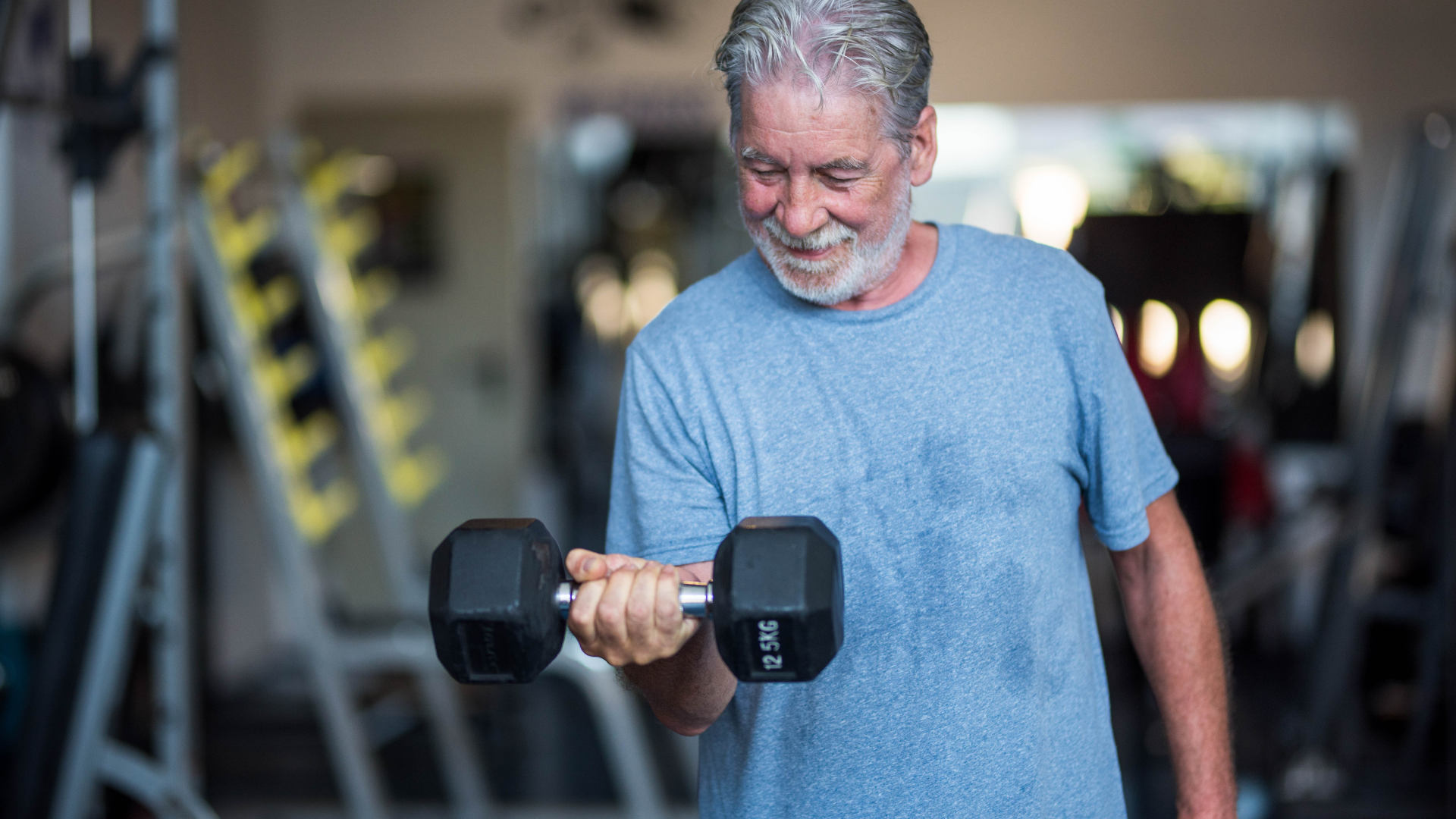
What Skeletal Muscle Is and Why Strength Training Targets It
Skeletal muscle is the tissue we control voluntarily, as when we flex a biceps or lift a grocery bag. It is made of bundles of muscle fibers, each containing hundreds to thousands of individual fibers built primarily from two proteins, myosin and actin, which work together to produce contraction. Muscle tissue is roughly 70% water and 30% protein, and the body builds muscle protein from the amino acids in the protein we eat.
With each passing decade, muscle mass and strength decline. Contributing factors include lower dietary protein intake, reduced physical activity, falling hormone levels, chronic inflammation, muscle denervation, mitochondrial dysfunction, fat infiltration into muscle, and insulin resistance. When low muscle mass occurs together with reduced strength and physical performance, it is called sarcopenia. Strength training works on this tissue directly.
How Fast Muscle Loss Accelerates With Age
Muscle loss can begin as early as age 30, and the rate worsens with every decade. Strength drops faster than mass, with the decline in strength running 2 to 5 times greater than the decline in muscle mass.
| Age | Muscle mass lost per decade | Muscle strength lost per decade |
|---|---|---|
| 50s | 0.5–2% | 3–4% |
| 60s | 4–5% | 9–10% |
| 70s | 7–8% | 11–12% |
One study found muscle loss of 35% to 40% between ages 20 and 80. Skeletal muscle mass is also an independent predictor of death. Hospitalizations and illnesses speed the process further, since inactivity, inflammatory agents, and cortisol compound the loss. For older adults, that can mean permanent disability or even death. These numbers are the reason strength training matters more with every decade.
The Connection Between Muscle Health and Dementia
Dementia affects more than 55 million people worldwide, and physical inactivity is one of the modifiable risk factors for the condition. There is a well-established link between low muscle mass, low physical activity, and cognitive impairment in old age.
Exercise causes muscle to release myokines, which cross the blood-brain barrier and help regulate BDNF, a protein that supports the survival and growth of neurons. The relationship also appears to be dose-dependent: the lower a person's muscle mass, the more significant their cognitive decline. Keeping muscle through strength training is therefore connected to brain health as well as physical strength.
Step 1: Make Strength Training Your Medicine
Resistance training triggers cells to respond to stress by producing more muscle protein. In the first weeks, strength improves without much visible growth in muscle size, because muscle protein breakdown is also elevated. That breakdown slows after about six weeks, and muscle size begins to increase.
Strength training also counteracts fat accumulation in muscle, improves the health of neuromuscular junctions, improves muscle quality, and reduces inflammatory markers. Its long-term payoff is striking: 85-year-old weightlifters in studies showed power and muscle features similar to those of 65-year-olds who did not train regularly, a 20-year advantage.
For best results, schedule strength training 2 to 3 times per week for each muscle group, in addition to any aerobic exercise. Strength training exercises that involve increasing load and speed should be supervised to ensure proper form and avoid injury.
Step 2: Eat Enough Protein, and Spread It Out
Protein works alongside strength training to protect muscle. Higher protein intake is associated with greater muscle mass and a lower risk of frailty in older adults. Intake should be individualized by age, sex, activity level, and health status, but generally falls between 1.6 and 2.2 grams per kilogram of body weight per day.
A 2020 systematic review and meta-analysis in the British Journal of Nutrition found that plant-based protein sources can be as effective as animal-based sources for muscle health, and mixing different plant sources works best. Consuming more than 35 to 50 grams of protein at one time provides no additional benefit for muscle growth, because the excess is used for energy. Spread protein across the day rather than eating it all in one sitting.
Step 3: Support Strength Training With Recovery and Smart Supplementation
Muscle protection works like building savings: the more you put in early, the more comfortable you are later. While pharmacological treatments for muscle loss may arrive in the future, the best option today is to put in the work upfront. Good sleep and hydration support that work, and any supplement used alongside strength training should be approached with care and knowledge of safe use.
Start Building Muscle Now
Age-related muscle loss is gradual, but you are not powerless against it. Regular strength training, adequate and well-distributed protein, and consistent recovery give you the best chance of staying strong, independent, and cognitively sharp.



 English
 Arabic
 French
 Spanish
 Portuguese
 Deutsch
 Turkish
 Dutch
Dutch
 Russian
 Romaian
 Portuguese (Brazil)
 Greek
Greek