

 Course Catalog
 Laura Artman
Wearables: 5 Powerful Heart Warning Signs Hidden in Your Data
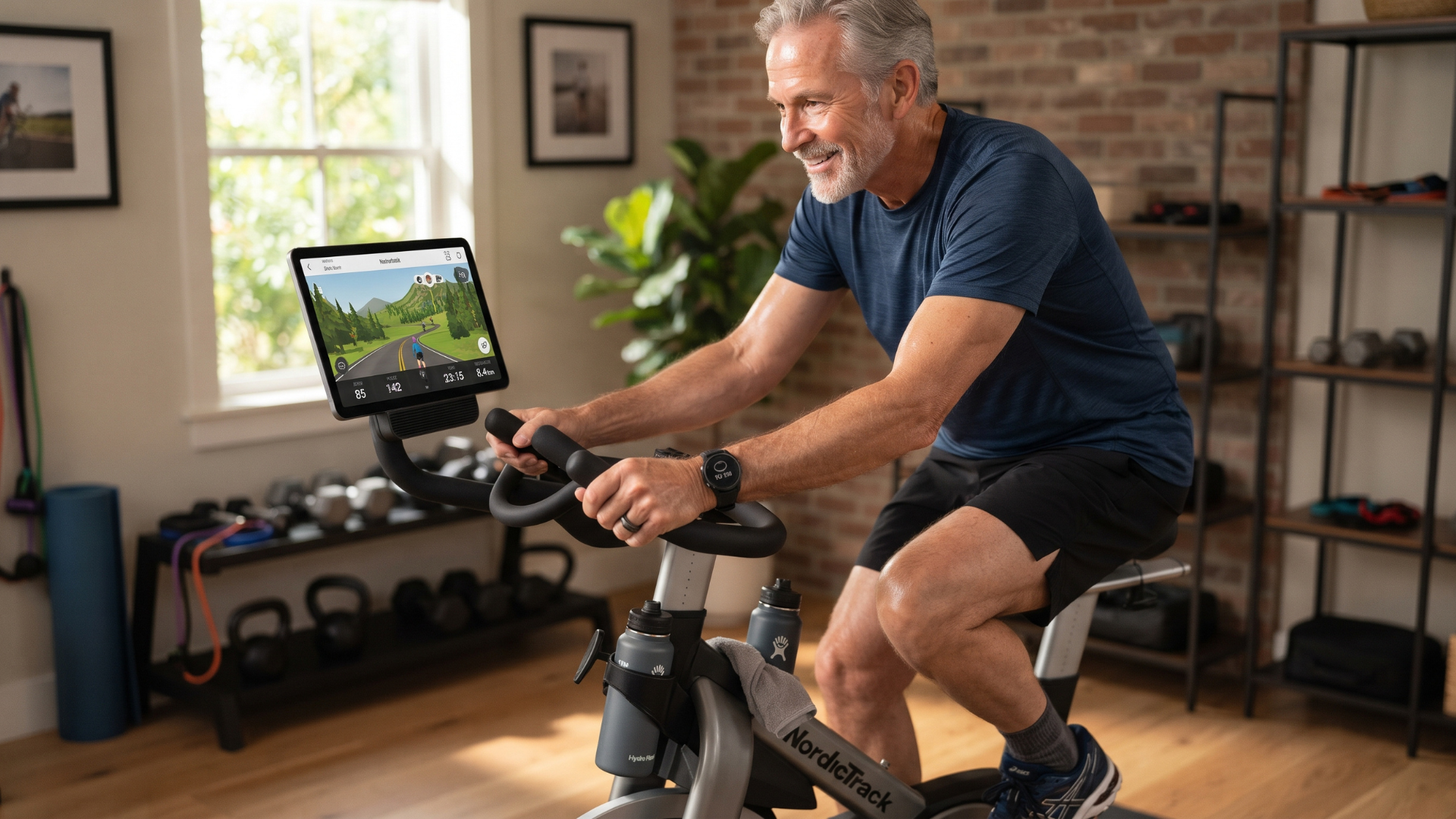
Wearables are everywhere now. Watches, rings, and fitness bands sit on millions of wrists, and you may own one yourself. A new study from Stanford Medicine shows what these devices can catch, and what they can miss. The story is a hard one, but it matters for anyone over 60.
A Fit Man Who Collapsed
He was 76 years old, active, sociable, and fit. By every outward measure, he was healthy. One evening he finished a hard indoor cycling workout, and three minutes later he collapsed.
His wife heard the fall from another room. She is a physician. She found him without a pulse, started CPR, and used his smartwatch to call 911. Paramedics confirmed ventricular fibrillation, a lethal heart rhythm. They worked for nearly 40 minutes, including defibrillation shocks, but could not restart his heart. He died in March 2025.
What the Wearables Recorded
This man studied wearables and longevity himself. He worked with Michael Snyder, PhD, a Stanford geneticist. After his death, his wife shared his data with the research team: his smartwatch, his smart ring, and his exercise bike. The bike alone held seven years of records from 530 sessions.
The team found something striking. About five months before he died, many of his health measures changed at once. The change was abrupt, not gradual. The researchers call it a "coordinated step-change," and two separate devices captured it.
The 5 Warning Signs
The first sign was his heart rate variability, which fell by half. This measures the variation in time between heartbeats. Low variability is linked to poor sleep, stress, and heart conditions in general. The second was his heart rate. His resting rate climbed, and so did his nighttime rate. That suggests his heart was working hard when it should have been resting.
The third sign was a decline in deep sleep, which wearables estimate by tracking heart rate and breathing patterns. The fourth was a drop in his six-minute walk distance. Devices infer this from step counts, stride length, acceleration, and pace, and it reflects how well a person handles everyday tasks. The fifth was a decline in gait and breathing rate, which worsened alongside the others.
No single number told the story. The pattern did.
What Happened Next
At the low point, the man felt fatigued and saw his primary care doctor. The doctor heard a heart murmur. An echocardiogram in early November 2024 then showed advanced structural heart disease. This is a less common form of heart disease that affects the physical structure of the heart muscle. It is different from plaque building up in the heart's arteries.
He kept exercising hard anyway. The night before he died, his average heart rate reached one of its highest points on record. On the evening of his death, he did one of his most intense workouts ever, and his heart rate hit 150 beats per minute. That is above age-based recommendations. Dr. Snyder said that had the man seen those changes, he might have eased up.
The Gap Between Data and Doctors
Here is the troubling part. The signals were there, but the system failed to deliver them. Wearable use among American adults has grown from about 30% in 2020 to over 40% by 2024. Yet only about 20% of users share that data with their doctors.
Doctors are open to it. A recent survey found that 86% of US physicians reviewed at least one type of wearable data. But only about 6% have built it into their routine care. Snyder put it plainly: we can track health, but we also need something like a check-engine light for your health.
Why This Matters at Our Age
Heart disease is the leading cause of death worldwide. In the United States, someone dies from it every 34 seconds, which is nearly 2,500 people a day. About 1,000 of those deaths are cardiac arrests, and most of those end in sudden cardiac death, the kind that took this man.
"Most of those deaths still arrive without warning," Snyder said. This case suggests that a critical alert may already be sitting in the data on people's wrists.
What Comes Next
The Stanford team plans a clinical trial with up to 1,000 patients. Some will have past wearable data, and some will be tracked going forward. They want to know whether other people show the same synchronized changes before a major heart event. If they do, that could change how doctors work, because the researchers say most of the cardiac events that follow are preventable with modern treatments.
Keep one thing in mind. This is a single case. It does not prove that wearables can predict sudden cardiac death. The trial is meant to find that out.
What You Can Do Today
If you wear a device, look at trends rather than single days. One bad night means little. Several measures shifting together, and staying shifted, is a different matter. If your numbers change and stay changed, tell your doctor and share the data. Don't wait for your next routine visit.
Never ignore fatigue that feels new or unusual. In this case, that fatigue led to the visit that found his heart disease. Ask your doctor what your numbers mean for you, and ask what level of exercise is right for your heart.
The researchers say the man's wife wants the world to learn from what happened. Wearables may someday warn us in time. Until then, pay attention to what yours are already telling you.
Researcher’s sudden death shows wearables’ potential as ‘check-engine light’
Empfohlener Benutzer

 Deutsch
 English
 Arabic
 French
 Spanish
 Portuguese
 Turkish
 Dutch
 Italiano
 Russian
 Romaian
 Portuguese (Brazil)
 Greek