

 Course Catalog
 Laura Artman
Muscular Strength: 7 Powerful Secrets to Longevity for Older Women
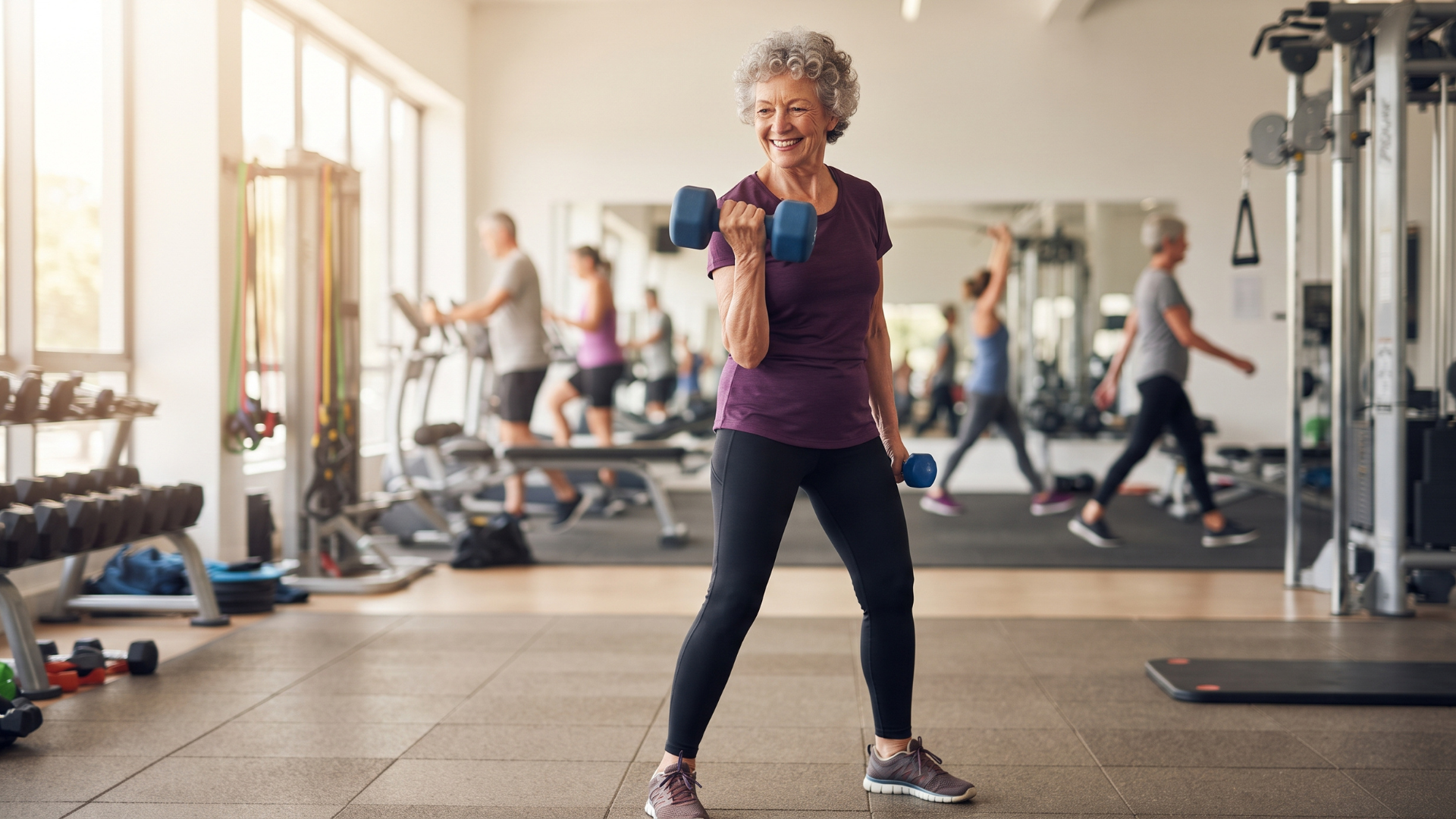
As the global population ages, researchers and healthcare professionals continuously search for reliable indicators of health, vitality, and life expectancy. While traditional metrics like cardiovascular endurance and blood pressure have long dominated clinical assessments, recent scientific literature places a spotlight on a different physical attribute. A comprehensive study published in JAMA Network Open has investigated how muscular strength is associated with mortality risk in older women, revealing important implications for healthy aging.
Understanding the JAMA Network Open Study
The research project tracked 5,472 ambulatory women ranging in age from 63 to 99 years, with a mean age of approximately 78.7 years. Participants were followed for an average of about 8.4 years. Researchers evaluated dominant-hand grip strength using a hand dynamometer, along with lower-body performance measured by the time required to complete five unassisted chair stands.
The researchers adjusted their analysis for numerous factors, including age, sociodemographic characteristics, lifestyle habits, C-reactive protein, gait speed, physical activity, and sedentary time. Physical activity and sedentary behavior were objectively measured with accelerometers.
Why Grip Strength Matters for Aging Women
One of the study's key findings was an inverse relationship between grip strength and mortality. Women in the highest quartile of grip strength had a substantially lower risk of death than women in the lowest quartile. A higher grip-strength measurement was also associated with lower mortality risk when strength was analyzed as a continuous measure.
These findings reinforce the importance of muscular strength as an indicator of health in later life. Aging is accompanied by changes in muscle mass and function, making the preservation of strength an important consideration for maintaining physical capacity and independence.
Independence from Physical Activity and Sedentary Time
The researchers also examined whether the relationship between strength and mortality could simply be explained by differences in how physically active participants were. The association between muscular strength and mortality remained after accounting for objectively measured physical activity and sedentary time.
This distinction is important because muscular strength and overall physical activity are not interchangeable. An individual may accumulate physical activity during the day while still having relatively low muscular strength.
Benefits for Inactive Individuals
The study also found an association between greater muscular strength and lower mortality among women who did not meet recommended physical-activity levels.
This does not mean that strength training replaces aerobic activity or that physical-activity recommendations no longer apply. Instead, the findings indicate that muscular strength represents another important dimension of physical health that deserves attention in older adults.
Evaluating Lower-Body Performance and Body Size
Researchers also assessed lower-body function through the five-chair-stand test. Faster chair-stand performance was associated with lower mortality risk, providing another indication that physical capability is relevant to longevity.
The researchers accounted for differences in body size and body composition in their analyses. The associations between strength and mortality remained after these adjustments.
Practical Steps to Improve Longevity
The findings support incorporating resistance training and other strength-building activities into fitness programs for older adults. Exercises can include dumbbells, resistance bands, machines, and appropriately selected bodyweight exercises.
Strength assessment can also provide useful information about physical capacity. Grip strength can be measured with a hand dynamometer, while the chair-stand test offers a simple way to assess lower-body functional performance.
Conclusion
The JAMA Network Open study adds to the evidence that muscular strength is an important marker of health and longevity in older women. Its findings are particularly relevant to adults in their 60s, 70s, 80s, and beyond, demonstrating that strength is not simply a measure of athletic ability. It is closely associated with physical capability and survival in later life.
The study was observational, so its findings demonstrate associations rather than proving that increasing muscular strength directly extends lifespan. Nevertheless, the results reinforce the importance of keeping strength as a central component of fitness throughout the later decades of life.



 English
 Arabic
 French
 Portuguese
 Deutsch
 Turkish
 Dutch
Dutch
 Italiano
 Russian
 Romaian
 Portuguese (Brazil)
 Greek
Greek