

 Course Catalog
 Laura Artman
Happiness: 8 Powerful Weeks of Awe Walks That Changed How Older Adults Feel
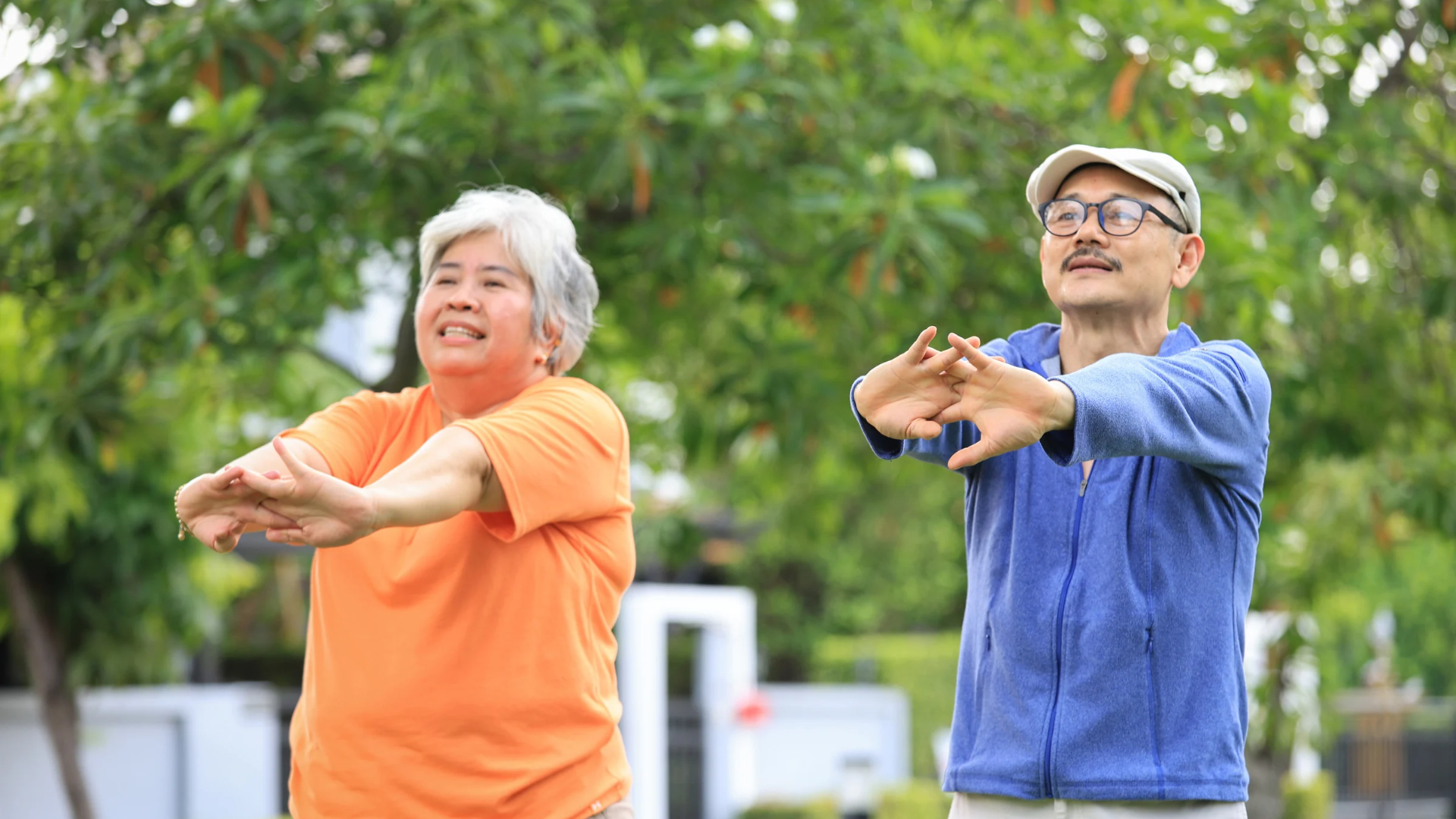
Growing older often brings social disconnection, anxiety, and sadness, all of which can pull happiness down. Researchers at UCSF, working with UC Berkeley psychologist Dacher Keltner, wanted to know whether a single emotion, awe, could raise happiness in the daily lives of older adults. The participants took a short walk once a week for eight weeks. The researchers changed one thing: where the participants put their attention. This article covers what changed, from the first walk to the end of the study. Happiness showed up in smiles, in joy, and in feelings of compassion and gratitude.
What Is Awe, and What Does It Have to Do With Happiness?
Awe is a positive emotion that people feel in the presence of something vast that they cannot immediately understand. The researchers describe it as the feeling triggered by nature, art, music, or being part of a collective experience such as a ceremony or concert. Keltner has pointed out that awe is not limited to nature. Because awe is a positive emotion, it is a natural place to look for happiness.
The researchers say awe reduces self-focus, promotes social connection, and encourages prosocial actions. It does this by creating what they call a "small self." That is a healthy sense of proportion between you and the bigger picture of the world around you.
Why the Researchers Studied Older Adults
Negative emotions tend to be self-focused. The researchers note that they are tied to social isolation, depression, cognitive impairment, cardiovascular disease, and mortality in older adults. Positive emotions often stay elevated as people age, but after about age 75, sadness, fear, anxiety, and loneliness can rise and push positive feelings aside.
The team wanted a simple, low-cost way to raise happiness through the positive emotions that connect people to each other. Awe was their candidate.
How the Awe Walk Study Worked
The study, "Big Smile, Small Self: Awe Walks Promote Prosocial Positive Emotions in Older Adults," was published in the journal Emotion. It was first published online in September 2020, and it appeared in the 2022 volume.
Sixty healthy older adults took weekly 15-minute outdoor walks for eight weeks. That is eight walks, two hours in total. They were randomly assigned to one of two groups:
- The awe walk group was told about awe and oriented to experience it during their walks.
- The control walk group took the same kind of walk without that instruction.
To track the emotions behind happiness, participants took a photograph of themselves on every walk and rated their emotional experience. Each day, they also reported their emotions outside of the walk.
What Changed During the Walks
The awe walk group reported more awe during their walks, which confirmed that the instruction worked. Their happiness showed up in several other ways:
- More joy. They reported greater joy than the control group.
- More prosocial positive emotions. These are the emotions that draw us toward other people, such as compassion and gratitude.
- A smaller self in the frame. Over the weeks, the awe walkers showed an increasingly "small self" in their photographs, meaning they took up less of the picture. This is what the researchers had predicted. Sturm said it was remarkable to see the effect show up on camera.
- Bigger smiles. The researchers coded smile intensity from the participants' faces in the photos. The awe walkers' smiles got stronger over the course of the study.
What Changed Outside the Walks
Happiness is not only about the best moments, and the daily reports showed that the effects were not confined to the 15 minutes. Compared with the control group, participants who took awe walks reported greater increases in prosocial positive emotions in their daily lives. They also reported greater decreases in daily distress over time. Ordinary days felt different, even when participants were not walking.
Why Attention Made the Difference
Both groups walked. The difference was awe. Participants in the awe group were asked to look outward at something larger than themselves instead of staying inside their own thoughts. The researchers concluded that cultivating awe increases positive emotions that foster social connection and decreases the negative emotions that speed decline.
Sturm described awe as an extremely low-cost tool for improving the emotional health of older adults, one that comes from a simple shift in mindset. In this study, that shift moved the measures of happiness in the right direction: more joy, more compassion and gratitude, and less distress.
How Awe Walks Boost Happiness After 50
Across the walks, the photographs, and the daily reports, the awe walkers showed the same pattern. They smiled bigger, felt more joy, and carried more compassion and gratitude into their days. The one difference between the groups was the instruction to look for awe. For anyone looking to build happiness through movement, that is the finding to take home.
Try an Awe Walk to Build Your Own Happiness
The study gives you the recipe:
- Walk outdoors for 15 minutes.
- Do it once a week.
- Before you go, remind yourself what awe is: something vast that you cannot fully understand.
- Look for it while you walk.
The study left it to participants to find their own awe. You decide what is vast to you: a big sky, an old tree, a long view.
If you want a training program built around your age and your goals, I design programs for adults over 50 at lauraartman.com. Movement and happiness belong together.
What This Study Can and Cannot Tell Us
This was a randomized study of 60 healthy older adults. It measured emotions through participants' own ratings and through coded smiles in their photographs. Larger studies will help confirm the findings on happiness. The direction of the results was consistent across the walks, the photographs, and the daily reports.
Kullanıcı Adı
- Sturm VE, Datta S, Roy ARK, Sible IJ, Kosik EL, Veziris CR, Chow TE, Morris NA, Neuhaus J, Kramer JH, Miller BL, Holley SR, Keltner D. Big smile, small self: awe walks promote prosocial positive emotions in older adults. Emotion. 2022;22(5):1044–1058
- UCSF News. "'Awe Walks' Boost Emotional Well-Being." September 2020.


 Turkish
 English
 Arabic
 French
 Spanish
 Portuguese
 Deutsch
 Dutch
 Italiano
 Russian
 Romaian
 Portuguese (Brazil)
 Greek