Navigating Workforce 2.0 Trends
From Cubicle to Cloud: The Evolution of Workforce 2.0
The modern workplace is undergoing a seismic transformation. From the rigid, brick-and-mortar offices of the past to the fluid, cloud-connected ecosystems of today, how we work has evolved dramatically. This shift—from cubicles to cloud collaboration—is redefining productivity, communication, and employee expectations. Let’s explore this evolution and what it means for the future of work.
The Cubicle Era: A Glimpse into the Past
For decades, the traditional office was defined by cubicles, rigid hierarchies, and physical presence. The 9-to-5 workday, centralized offices, and face-to-face collaboration were the norm. While these setups fostered in-person teamwork, they also came with limitations: inflexible schedules, high overhead costs, and geographical barriers that restricted talent pools.
This model prioritized location over autonomy. Employees were tethered to their desks, and communication relied heavily on in-person meetings or landline calls. While it worked for its time, it was inherently restrictive—especially as technology began to outpace organizational structures.
The Shift to Workforce 2.0: Breaking the Cubicle Walls
The rise of the internet and digital tools in the 2000s laid the groundwork for remote work. However, it was the global pandemic that acted as a catalyst, forcing organizations to adopt remote work policies overnight. Suddenly, teams were using platforms like Zoom, Slack, and Microsoft Teams to collaborate across time zones.
This transition revealed critical benefits:
- Flexibility: Employees could work from anywhere, improving work-life balance.
- Cost Savings: Companies reduced expenses on office space and utilities.
- Access to Global Talent: Businesses could hire the best talent, regardless of location.
Yet, it also introduced challenges—like maintaining company culture, ensuring cybersecurity, and combating employee burnout. Organizations had to rethink workflows, adopt new technologies, and prioritize digital communication to stay competitive.
The Role of Technology: Enabling a Cloud-Based Workforce
Central to this evolution is cloud computing. The cloud has become the backbone of the modern workplace, allowing seamless collaboration on shared platforms. Employees can access files, project management tools, and communication apps from anywhere, at any time.
Key technologies driving this shift include:
Collaboration Tools: Platforms like Asana, Notion, and Google Workspace streamline tasks and teamwork.
Unified Communications: Tools like Microsoft Teams integrate chat, video calls, and file sharing.
AI and Automation: AI-powered scheduling, virtual assistants, and analytics boost efficiency.
Cybersecurity Measures: Encryption, multi-factor authentication, and cloud security protocols protect data in decentralized environments.
These technologies have not only enabled a new workforce but also fostered innovation. Companies are now experimenting with hybrid models, where teams split time between home and office, and fully distributed setups that operate without a physical headquarters.
The Future of the Modern Workplace: Hybrid, Flexible, and Human-Centric
The modern workforce is no longer a one-size-fits-all concept. Organizations are embracing hybrid work models, blending in-office and remote flexibility. However, this future isn’t just about technology—it’s about people.
Key trends shaping the future include:
- Focus on Employee Well-Being: Burnout prevention, mental health resources, and flexible hours are now top priorities.
- Immersive Technologies: Virtual reality (VR) and the Metaverse are being tested for virtual meetings and training.
- AI-Driven Productivity: Smart tools will automate repetitive tasks, freeing employees to focus on creative problem-solving.
- Sustainability: Reduced office footprints align with environmental goals, cutting carbon footprints and energy use.
Workforce 2.0 is evolving into a hub of choice, where employees can shape their environments to suit their needs—be it physical, digital, or conceptual.
FAQ: Answering Your Questions About the Modern Workplace
Q1: What defines a “modern workplace”?
A modern workplace is a flexible, tech-enabled environment that prioritizes collaboration, remote access, and employee well-being. It leverages cloud tools, hybrid work policies, and adaptive strategies to meet the needs of a global, mobile workforce.
Q2: How is remote work different from the traditional office setup?
Remote work eliminates the need for a physical office, relying on digital tools to connect teams. It offers flexibility but also requires self-discipline, strong communication, and robust cybersecurity measures.
Q3: What technologies are essential for the workforce 2.0?
Key technologies include cloud storage, project management software (e.g., Trello, Monday.com), video conferencing tools (Zoom, Teams), and collaboration platforms (Google Workspace, Slack). Cybersecurity solutions are also critical to protect sensitive data.
Q4: How can companies maintain culture in a distributed workforce?
Regular virtual check-ins, asynchronous communication, team-building activities (e.g., virtual coffee chats), and shared goals help maintain culture. Transparency and inclusivity are key to ensuring remote employees feel connected.
Q5: What challenges do remote teams face?
Common challenges include communication delays, isolation, and blurred work-life boundaries. Employers can mitigate these by setting clear expectations, offering mental health support, and fostering open dialogue.
Q6: How can employees adapt to workforce 2.0 environments?
Employees should embrace digital tools, practice time management, and advocate for their needs (e.g., ergonomic home setups, flexible hours). Staying adaptable and upskilling in tech-driven areas will also future-proof careers.
Embracing the Cloud: A Workplace Without Borders
The evolution from cubicles to cloud-based ecosystems is more than a trend—it’s a necessary adaptation to a rapidly changing world. By prioritizing flexibility, technology, and human-centered values, organizations can build workplaces that empower employees and drive innovation.
As we move forward, one thing is clear: the modern workplace is no longer confined by walls. It’s a dynamic, ever-evolving space where talent, technology, and trust converge. The journey from cubicle to cloud is just beginning, and those who embrace it will shape the future.
Read More:
Also Read:
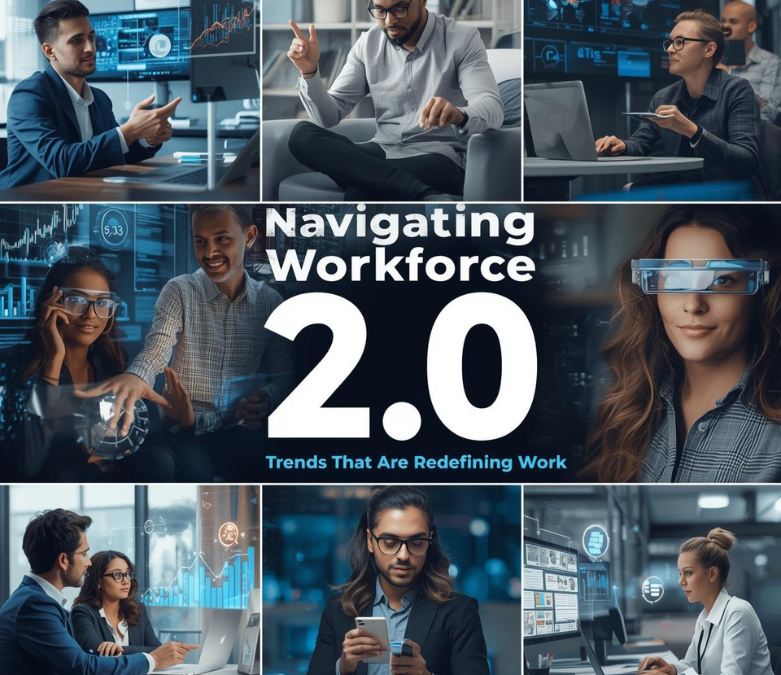
A quick overview of the topics covered in this article.
Latest articles

10 Growth Hacks for Modern Private Practices
Beyond the Waiting Room: 10 Growth Hacks for Modern Private Practices In the competitive landscape of [...]
The 14 Benefits of Lead Generation Websites for Professionals
The 14 Benefits of Lead Generation Websites for Professionals In today’s competitive digital landscape, professionals across [...]

Growth Hacks – the 7 Things You Need to Know
In today’s fiercely competitive business landscape, companies are constantly searching for innovative ways to scale quickly, [...]

AI Content Creator — And Why Editing Still Matters
As an AI content creator, I’ve learned that artificial intelligence isn’t here to replace creativity—it’s here [...]

Ideal Lumbar Health from 8 Strategies
Lumbar health refers to the well-being and optimal functioning of the lower back. This includes the [...]

Seeking Opportunity – A Journey of Proactive Growth
Seeking Opportunity: How I Turn Curiosity Into Career Momentum When I first stepped into the corporate [...]