
The Evolution of the Modern Workplace
The Evolution of the Modern Workplace: From Hierarchy to Hybrid Flexibility
The modern workplace is a dynamic ecosystem shaped by technological innovation, shifting cultural values, and evolving employee expectations. Over the past century, the way we work has transitioned from rigid, centralized structures to fluid, people-centric environments. This transformation reflects broader societal changes and the relentless pace of digital advancement. Let’s explore how the modern workplace has evolved—and what this means for the future of work.
1. The Traditional Workplace: A 20th-Century Framework
For much of the 20th century, the workplace was defined by strict hierarchies, fixed schedules, and centralized office spaces. The Industrial Revolution laid the foundation for this model, with factories and corporations emphasizing efficiency, process adherence, and in-person collaboration. Employees were expected to follow a “9-to-5” routine, while communication was largely face-to-face or via phone calls.
This era prioritized physical presence, with office layouts reflecting organizational power structures. Executive offices were often tucked away, symbolizing a top-down approach to management. While this model offered stability and clear boundaries between work and personal life, it lacked flexibility and struggled to adapt to the needs of a globalizing economy.
2. The Digital Revolution: Breaking Barriers with Technology
The advent of the internet and personal computing in the late 20th century marked the first major shift toward the modern workplace. Email, shared drives, and early project management tools enabled remote collaboration on a small scale. By the 2000s, cloud computing platforms like Google Workspace and Microsoft 365, alongside video conferencing tools like Zoom and Teams, revolutionized how teams connected.
This digital transformation allowed companies to operate across time zones, expanding talent pools beyond geographic constraints. The gig economy further disrupted traditional employment models, with freelancing platforms like Upwork and Fiverr empowering independent professionals. As a result, work became less about physical desks and more about digital presence and productivity.
3. Cultural Shifts: Prioritizing Well-Being and Flexibility
The modern workplace isn’t just about technology—it’s also about people. Over the past two decades, employee expectations have shifted dramatically. Studies show that professionals now prioritize work-life balance, mental health, and autonomy. Employers have responded by adopting flexible work policies, including remote work options, compressed workweeks, and unlimited paid time off (PTO).
Cultural movements like #MeToo and Black Lives Matter have also pushed organizations to prioritize diversity, equity, and inclusion (DEI). Modern workplaces are increasingly judged by their ethical practices, with employees seeking employers who align with their values. This has led to a focus on creating inclusive cultures, upskilling programs, and transparent leadership.
4. The Hybrid Work Era: Blending the Best of Both Worlds
The COVID-19 pandemic accelerated the adoption of remote work, forcing businesses to embrace digital tools for survival. While some returned to offices post-pandemic, many adopted hybrid models that combine in-person and remote work. A 2023 Gartner survey found that 57% of employees now spend at least part of their time working remotely.
Hybrid work has redefined physical office spaces. Open-plan layouts have given way to collaborative hubs equipped with smart boards and hybrid meeting tools. The emphasis is now on creating spaces for innovation rather than daily tasks. Meanwhile, asynchronous communication and flexible hours have become the norm, allowing employees to work at their most productive times.
5. The Future of the Modern Workplace
Looking ahead, the modern workplace will be shaped by AI, automation, and immersive technologies like AR/VR. Generative AI tools are already streamlining tasks from content creation to data analysis, freeing employees for higher-value work. Meanwhile, companies are investing in sustainability, with green office designs and remote work policies reducing carbon footprints.
The “Great Resignation” has also underscored the importance of employee experience. Organizations that fail to offer flexibility, career growth, and well-being support risk losing top talent. The future workplace will likely be a blend of personalized digital tools, human-centric policies, and ecosystems that prioritize collaboration and creativity.
FAQ: Understanding the Modern Workplace
Q1: What defines a modern workplace?
A modern workplace is characterized by flexibility (remote/hybrid work), technology-driven collaboration, a focus on employee well-being, and inclusive cultures. It emphasizes productivity over hours worked and leverages digital tools to break down traditional barriers.
Q2: How has technology influenced workplace evolution?
Technology has enabled remote work, streamlined communication (e.g., Slack, Teams), and automated routine tasks. Cloud computing and AI have made it possible for teams to collaborate seamlessly, regardless of location.
Q3: What are the benefits of hybrid work?
Hybrid models reduce commute times, increase job satisfaction, and expand access to global talent. They also lower operational costs for businesses while fostering a better work-life balance for employees.
Q4: What challenges do modern workplaces face?
Key challenges include maintaining company culture remotely, ensuring cybersecurity in distributed teams, and managing employee burnout. Leaders must also balance flexibility with clear expectations for performance.
Q5: How can employers adapt to future workplace trends?
Employers should invest in upskilling for AI integration, prioritize DEI initiatives, and create agile work policies. Fostering transparency and regularly seeking employee feedback will also be critical.
Closing Thoughts
The evolution of the modern workplace is a testament to humanity’s adaptability. As technology and societal values continue to evolve, so too will the ways we work. By embracing flexibility, innovation, and empathy, organizations can build workplaces that not only meet today’s challenges but also thrive in tomorrow’s world.
What does the modern workplace look like for you? The answer may vary, but one thing is certain: the future of work is as diverse and dynamic as the people who shape it.
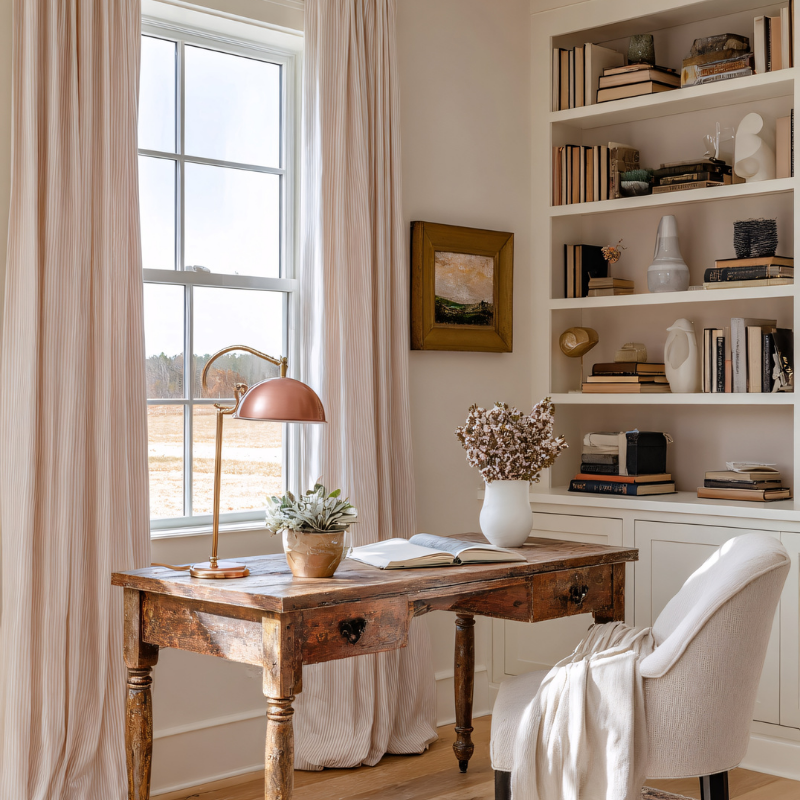
A quick overview of the topics covered in this article.
Latest articles

10 Growth Hacks for Modern Private Practices
Beyond the Waiting Room: 10 Growth Hacks for Modern Private Practices In the competitive landscape of [...]

The 14 Benefits of Lead Generation Websites for Professionals
The 14 Benefits of Lead Generation Websites for Professionals In today’s competitive digital landscape, professionals across [...]
Growth Hacks – the 7 Things You Need to Know
In today’s fiercely competitive business landscape, companies are constantly searching for innovative ways to scale quickly, [...]

AI Content Creator — And Why Editing Still Matters
As an AI content creator, I’ve learned that artificial intelligence isn’t here to replace creativity—it’s here [...]

Ideal Lumbar Health from 8 Strategies
Lumbar health refers to the well-being and optimal functioning of the lower back. This includes the [...]
Seeking Opportunity – A Journey of Proactive Growth
Seeking Opportunity: How I Turn Curiosity Into Career Momentum When I first stepped into the corporate [...]